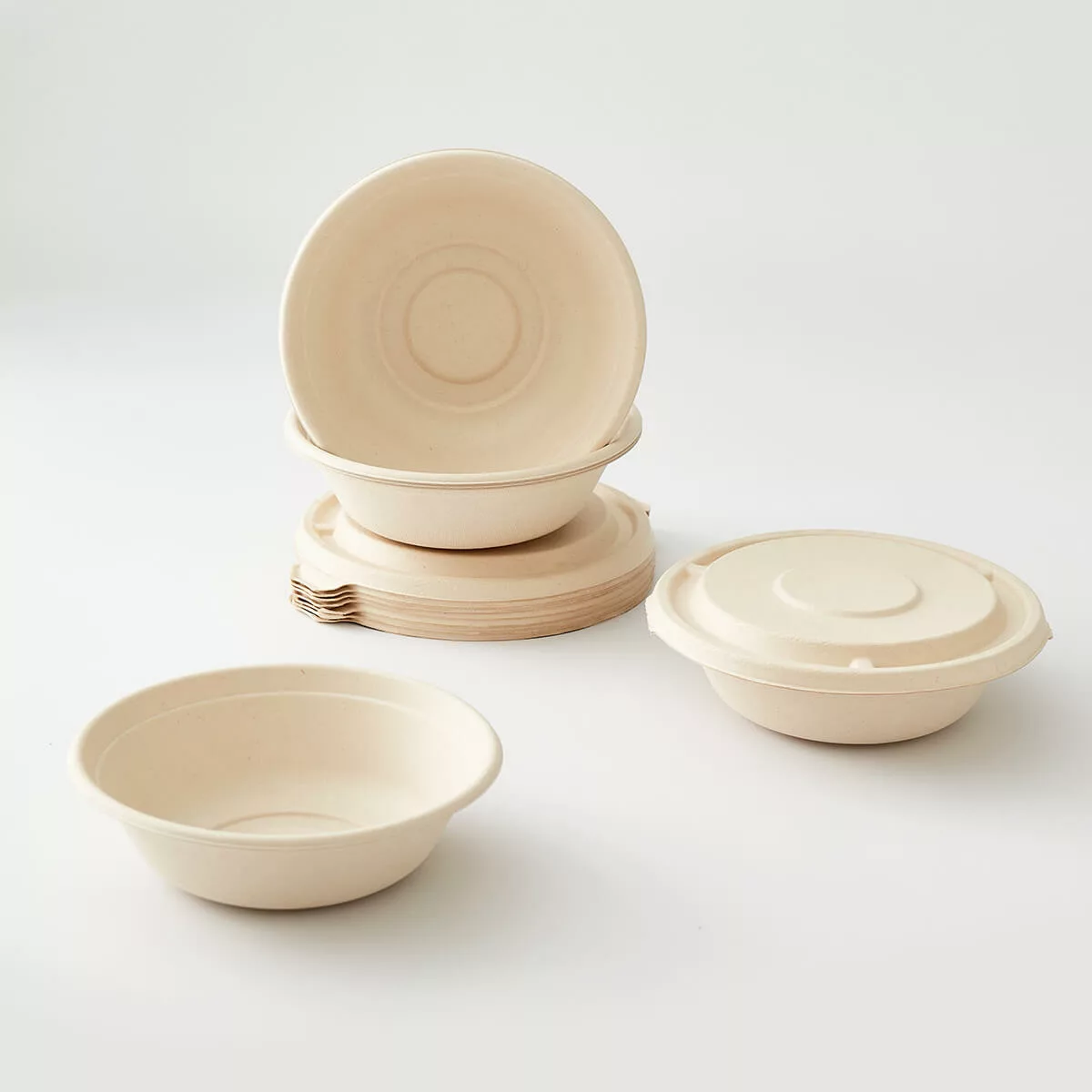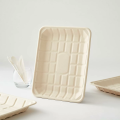
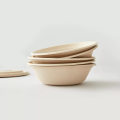



The environmental pollution caused by disposable plastic tableware is becoming more and more serious, and the "plastic ban order" is implemented in many parts of the world to promote the transformation of food packaging to a sustainable direction.As a by-product of the sugar industry, bagasse, which is often burned or discarded, can now be efficiently converted into
durable, 100% compostable tableware through
pulp molding technology to
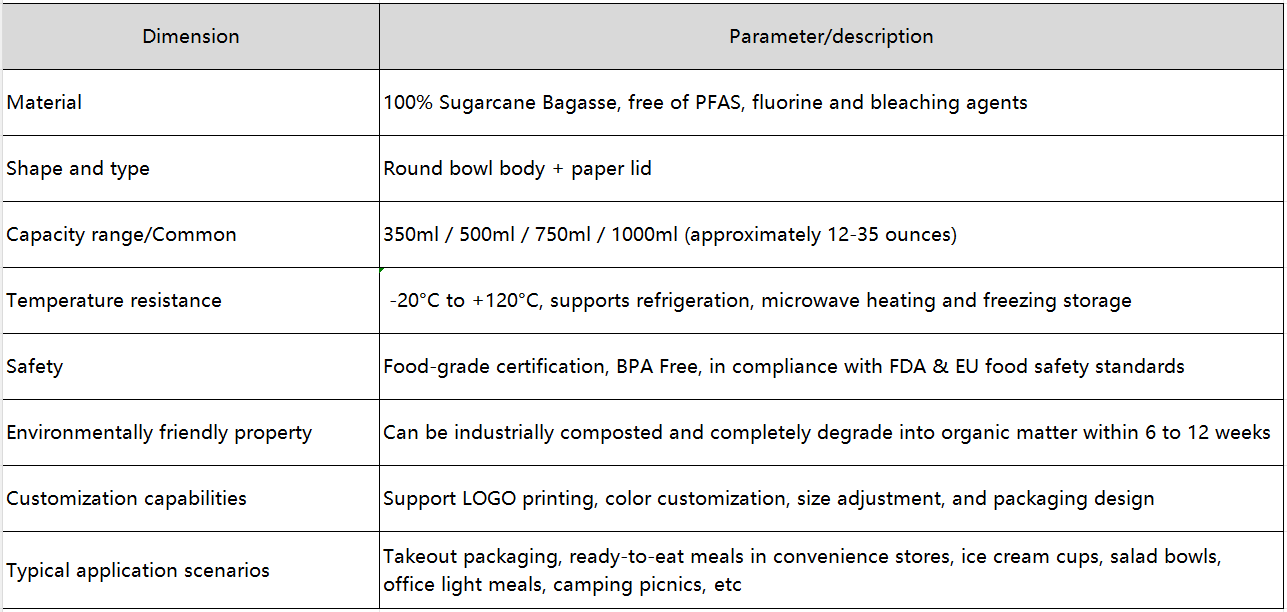
achieve resource recycling. Core parameters and specifications
?
Product features and advantages
Source of raw material
It is made from the residual fiber residue (namely bagasse) after sugarcane juice, which belongs to the high-value utilization of agricultural waste and reduces the dependence on forest resources.
?
Environmental protection attribute
It can be completely degraded into organic matter within 45 to 90 days under industrial composting conditions without generating microplastics.
Compatible with kitchen waste, support "lunch box + leftovers" integrated processing, simplify garbage classification.
?
Performance in use
High temperature resistance (usually up to 100°C or more), support microwave and refrigerator use.Waterproof and oil-proof coating is optional (such as water-based PLA coating), suitable for serving soups, salads, rice and other foods.Strong structure, strong load-bearing force, not easy to deformation leakage.
?
Advantage analysis
Environmentally friendly: Reprocessing by-products from sugar production to turn waste into treasure and reduce carbon footprint.
Easy to use: It can be directly heated by microwave without changing containers, enhancing user experience.
Visual nature: The original pulp color presents natural texture, suitable for the brand with "green" and "healthy" brand image.
Regulatory compliance: Meets the plastic ban requirements of many countries in Europe and America, facilitating export and cross-border sales.
?
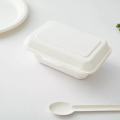
Natural compostable bagasse bowls with LIDS are a true "field-to-field" closed-loop eco-friendly packaging solution. It not only meets modern consumers' demands for green consumption, but also helps businesses enhance their brand image and comply with policy guidance.With the promotion of dual carbon targets in China and the world, such products are becoming a core trend in the upgrading of catering packaging.